Malta information hub
Education in Malta
Malta's education system from early years to university: state, church and independent schools, international schools, MCAST and the University of Malta.
Personalise this guide (stays on your device)
Education is compulsory from age 5 to 16 under the Education Act and is free in state schools. Three school sectors operate side by side: state, church and independent, and English is a language of instruction throughout.
Key figures
Compulsory school age
5 to 16
Cap. 605, art. 2
Government of Malta — Laws of Malta · verified 01 Oct 2026
Tertiary educational attainment, age 30–34
46.4%
2025
Eurostat — European Commission · verified 01 Oct 2026
Pupil–teacher ratio, primary education
13.7pupils per teacher
2024
Eurostat — European Commission · verified 01 Oct 2026
University of Malta doctoral tuition, non-EU/EEA, full-time
€11,000 per year
2026/27 as published
University of Malta · verified 01 Oct 2026
University of Malta application processing fee (overseas qualifications)
€100 (€200 late)
2026/27 as published
University of Malta · verified 01 Oct 2026
Every figure shows the reference period and the publishing authority. Statistics are refreshed when the source publishes a new release; see the source register for document details.
| Indicator | Value | Period | Source |
|---|---|---|---|
| Compulsory school age | 5 to 16 | Cap. 605, art. 2 | Government of Malta — Laws of Malta · verified 01 Oct 2026 |
| Tertiary educational attainment, age 30–34 | 46.4 % | 2025 | Eurostat — European Commission · edat_lfse_03 ED5-8 · verified 01 Oct 2026 |
| Pupil–teacher ratio, primary education | 13.7 pupils per teacher | 2024 | Eurostat — European Commission · educ_uoe_perp04 ED1 · verified 01 Oct 2026 |
| University of Malta doctoral tuition, non-EU/EEA, full-time | €11,000 per year | 2026/27 as published | University of Malta · Fees and funding page (EU/EEA full-time: €600) · verified 01 Oct 2026 |
| University of Malta application processing fee (overseas qualifications) | €100 (€200 late) | 2026/27 as published | University of Malta · Local qualifications: €35 (€75 late) · verified 01 Oct 2026 |
Universities & colleges
Full directory →- Msida
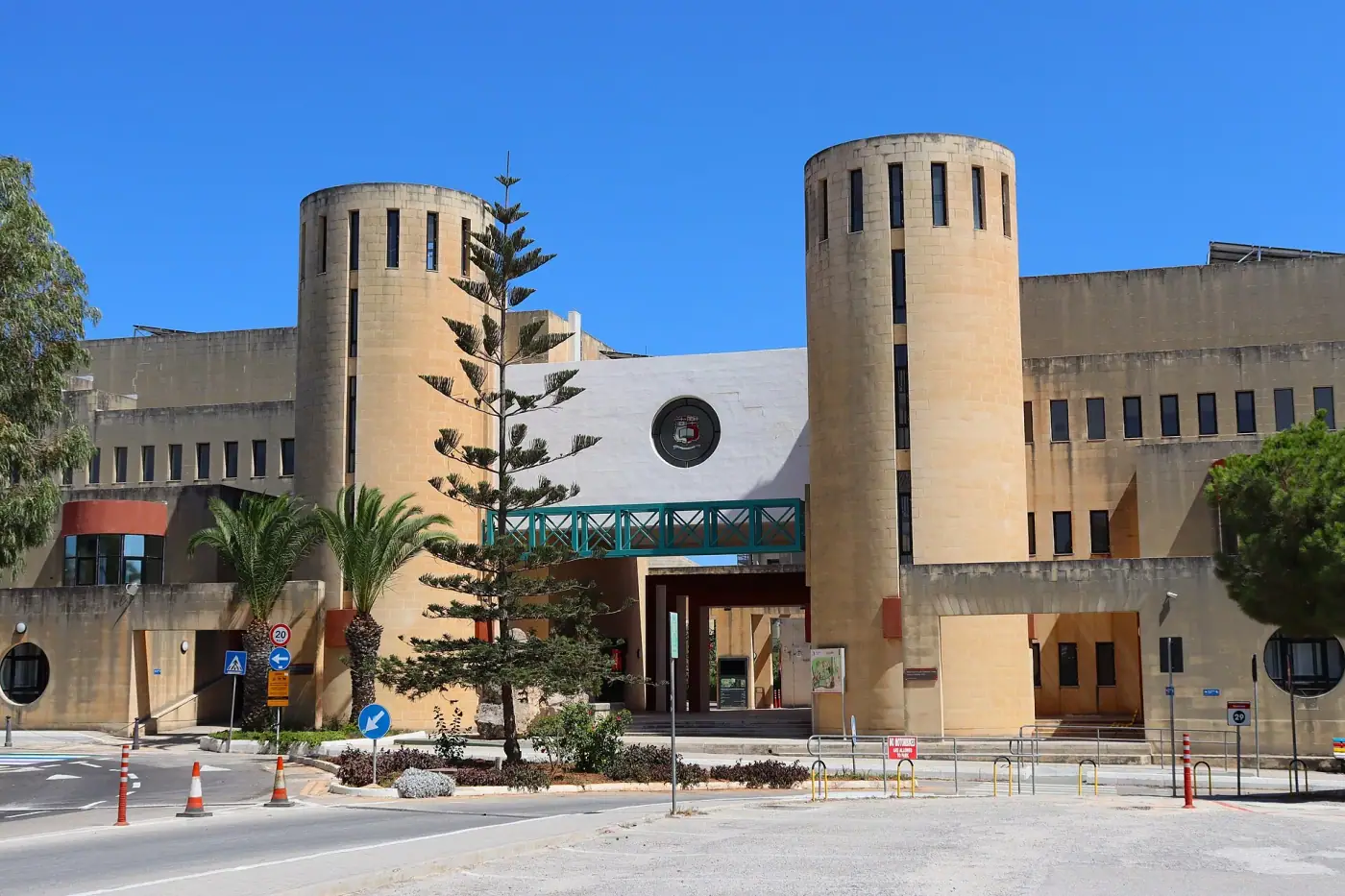
University of Malta
Msida MSD 2080
Malta's national university; EU/EEA undergraduates generally study tuition-free with a stipend, non-EU students pay course fees published per course. Applicati…
- Paola
MCAST — Malta College of Arts, Science and Technology
Triq Kordin, Paola
State vocational college offering certificates to master's degrees across six institutes, with campuses in Paola and Gozo.
- Xewkija, Gozo
University of Malta — Gozo Campus
Mġarr Road, Xewkija
Early years
Childcare centres for children under three are free for parents who work or study under the national free-childcare scheme at registered centres; kindergarten (ages 3–5) is provided free in state schools.
Primary and secondary (ages 5–16)
State schools are organised in regional colleges (primary, middle and secondary schools) and are free; admission is by catchment. Church schools (Catholic) are free of tuition fees, ask for a voluntary contribution and admit by ballot. Independent schools charge fees. Teaching in state and church schools uses Maltese and English; independent schools are mostly English-medium.
International schools
Several independent schools follow international curricula in English: Verdala International School (IB), QSI International School (American curriculum), St Edward's College (IB diploma), Chiswick House/St Martin's and others. They are concentrated in the central and harbour areas. See the directory.
Sixth form and vocational education (16+)
Students continue to Junior College (University of Malta), Giovanni Curmi Higher Secondary and church or independent sixth forms for A-levels (the Matriculation Certificate), or to MCAST, the vocational college, which runs certificate to master's programmes across technology, engineering, business, health, arts and more.
University
The University of Malta (Msida, with Valletta and Gozo campuses) teaches in English. Maltese and EU/EEA students on full-time undergraduate courses generally pay no tuition and receive a stipend; non-EU students pay fees published per course (doctoral programmes: €11,000 a year full-time for non-EU; €600 for EU/EEA). The application processing fee is €100 for overseas qualifications. Private higher-education institutions are licensed by the Malta Further and Higher Education Authority.
International students
Non-EU students need a study visa and residence permit, proof of funds and health insurance, and may work limited hours after the first months. English-language schools (ELT) are a large sector in their own right.
Scholarships
Government schemes (such as the Malta Government Scholarship Scheme and postgraduate schemes) and EU Erasmus+ support study; details are published annually by the Ministry.
Schools
Full directory →- Pembroke
- Birgu
- Swatar / Kappara
- L-Imselliet, Mġarr
- L-Imselliet, Mġarr
Sources & Verification
Verified 1 October 2026 against the sources below- Legislation
Education Act (Cap. 605), consolidated
Government of Malta — Laws of Malta
Chapter 605 of the Laws of Malta, consolidated as at 1 March 2022
- Published
- —
- Effective
- —
- Last checked
- 01 Oct 2026
- Status
- Active
Reference: CAP-605Official requirement - Education Institution
University of Malta — Fees and funding
University of Malta
Application processing fees; doctoral tuition fees for EU/EEA and non-EU students; course-level tuition in each course overview
- Published
- —
- Effective
- —
- Last checked
- 01 Oct 2026
- Status
- Active
Reference: UM-FEESOfficial requirement - Education Institution
Vocational and higher-education institution; international students page
- Published
- —
- Effective
- —
- Last checked
- 01 Oct 2026
- Status
- Active
Reference: MCASTOfficial requirement - EU Institution
Eurostat — European Commission
Household internet access; tertiary attainment 30–34; pupil–teacher ratio; at-risk-of-poverty-or-social-exclusion; digital skills; passenger cars per 1,000; hospital beds; area
- Published
- 10 Sept 2026
- Effective
- —
- Last checked
- 01 Oct 2026
- Status
- Active
Reference: EUROSTAT-SOCIETYOfficial requirement - Official Government
Ministry for Education — education.gov.mt
Government of Malta — Ministry for Education, Sport, Youth, Research and Innovation
State school colleges, admissions and the school year
- Published
- —
- Effective
- —
- Last checked
- 01 Oct 2026
- Status
- Active
Reference: EDU-MTOfficial requirement
Related information
- PageStudent Life in Malta: Universities, Accommodation, Costs
Studying in Malta: the University of Malta, MCAST and licensed private institutions, student accommodation, c…
- GuideThe MPRP for families with children: schools and healthcare
What families should know before moving to Malta under the MPRP: how children are included, what the status g…
Written by
Malta MPRP Guide Editorial Team
Research & editorial
The editorial team researches the Malta Permanent Residence Programme directly from the consolidated regulations (S.L. 217.26), the Legal Notices that amend them and the Residency Malta Agency's published material. Ever…