Malta information hub
Student life in Malta
Studying in Malta: the University of Malta, MCAST and licensed private institutions, student accommodation, costs, transport, part-time work and permits.
Personalise this guide (stays on your device)
Where to study
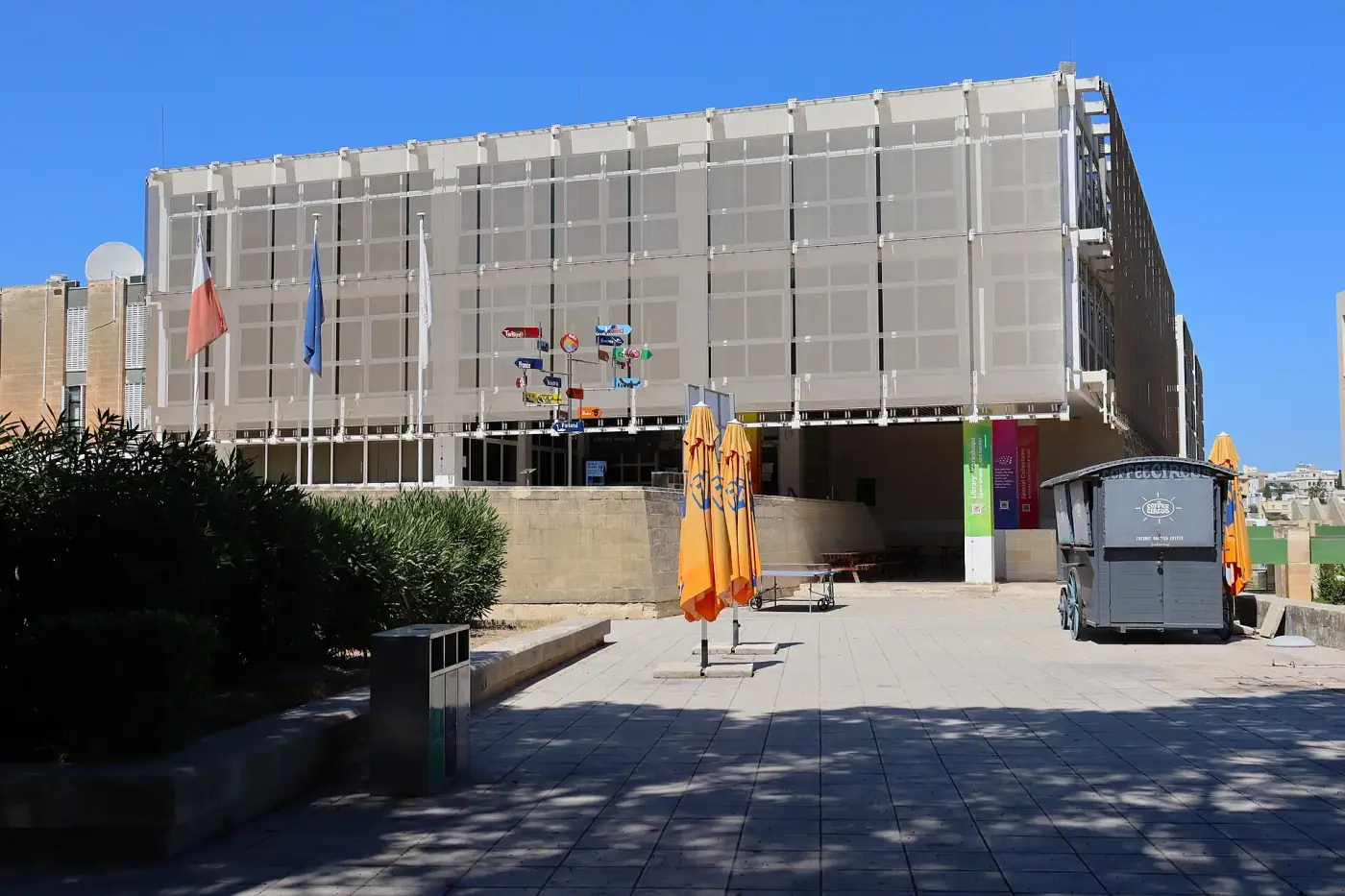
The University of Malta (Msida; Valletta and Gozo campuses) is the national university and teaches in English across medicine, law, engineering, ICT, business, arts and sciences. MCAST offers vocational and applied degrees. Licensed private institutions (business schools, hospitality, ELT) are regulated by the Malta Further and Higher Education Authority. The University of Malta Junior College and other sixth forms prepare students for entry.
Key figures
University of Malta doctoral tuition, non-EU/EEA, full-time
€11,000 per year
2026/27 as published
University of Malta · verified 01 Oct 2026
University of Malta application processing fee (overseas qualifications)
€100 (€200 late)
2026/27 as published
University of Malta · verified 01 Oct 2026
Tertiary educational attainment, age 30–34
46.4%
2025
Eurostat — European Commission · verified 01 Oct 2026
Every figure shows the reference period and the publishing authority. Statistics are refreshed when the source publishes a new release; see the source register for document details.
Universities & colleges
Full directory →- Msida
University of Malta
Msida MSD 2080
Malta's national university; EU/EEA undergraduates generally study tuition-free with a stipend, non-EU students pay course fees published per course. Applicati…
- Paola
MCAST — Malta College of Arts, Science and Technology
Triq Kordin, Paola
State vocational college offering certificates to master's degrees across six institutes, with campuses in Paola and Gozo.
- Xewkija, Gozo
University of Malta — Gozo Campus
Mġarr Road, Xewkija
Fees
EU/EEA students on full-time undergraduate courses generally pay no tuition and receive a maintenance grant; non-EU students pay published fees per course (doctoral programmes €11,000 a year full-time). The application processing fee is €100 for overseas qualifications.
Accommodation
University Residence in Lija, private student accommodation near the campus in Msida, Gżira and Swatar, and shared apartments. Budget roughly as in the cost of living guide, with Gżira and Msida cheaper than Sliema.
Transport and daily life
Students apply for a tallinja card; the Msida campus is a bus hub. Student organisations (KSU and faculty societies) run events; the harbour area's cafés, beaches and nightlife are a short bus ride away.
Part-time work
EU students may work freely; non-EU students may work up to 20 hours a week after the first 90 days with an employment licence, subject to current Identità rules.
International students
A study visa and residence permit, proof of funds and health insurance are required for non-EU students; Erasmus+ exchanges bring thousands of EU students each year.
Sources & Verification
Verified 1 October 2026 against the sources below- Education Institution
University of Malta — Fees and funding
University of Malta
Application processing fees; doctoral tuition fees for EU/EEA and non-EU students; course-level tuition in each course overview
- Published
- —
- Effective
- —
- Last checked
- 01 Oct 2026
- Status
- Active
Reference: UM-FEESOfficial requirement - Education Institution
Vocational and higher-education institution; international students page
- Published
- —
- Effective
- —
- Last checked
- 01 Oct 2026
- Status
- Active
Reference: MCASTOfficial requirement - Official Authority
Identità — Identity, residence and passports agency
Identità (Government of Malta)
Identity Cards Unit; Expatriates Unit (residence documents for EU nationals and residence permits for third-country nationals); Passport Office
- Published
- —
- Effective
- —
- Last checked
- 01 Oct 2026
- Status
- Active
Reference: IDENTITAOfficial requirement - EU Institution
Eurostat — European Commission
Household internet access; tertiary attainment 30–34; pupil–teacher ratio; at-risk-of-poverty-or-social-exclusion; digital skills; passenger cars per 1,000; hospital beds; area
- Published
- 10 Sept 2026
- Effective
- —
- Last checked
- 01 Oct 2026
- Status
- Active
Reference: EUROSTAT-SOCIETYOfficial requirement
Related information
- PageEducation in Malta: Schools, MCAST and University
Malta's education system from early years to university: state, church and independent schools, international…
Written by
Malta MPRP Guide Editorial Team
Research & editorial
The editorial team researches the Malta Permanent Residence Programme directly from the consolidated regulations (S.L. 217.26), the Legal Notices that amend them and the Residency Malta Agency's published material. Ever…